Our Story

Our Story

Hilalah

Hilalah's Story

The story of Hilalah may have begun with the start of the war in Syria..

The story of Hilalah may have begun with the start of the war in Syria, in the daily lives of Syrian women, especially those inside the country, who faced the challenges of survival under siege, detention, displacement, and migration.
Then came the earthquake, reopening wounds that had never healed.
Amid those harsh realities, a simple yet profound idea was born: that women can remain capable of caring for themselves and for others, no matter the circumstances, and that pain can be transformed into conscious, productive action leading to change and recovery.

Our Story

Why Now?

With the fall of the Assad regime, hope has been renewed among Syrian women and girls who have begun returning to their towns and villages.
The cessation of sieges, bombardment, and the country’s geographic fragmentation marks a significant shift, fostering a more secure environment where women can confidently invest in their own futures.
For the first time in years, it has become possible to imagine building small, locally rooted workshops and factories without the looming threat of destruction.

This moment presents a vital opportunity to revitalize the local economy by supporting sustainable, eco-friendly production, particularly led by and for women, while enhancing women’s roles in shaping economic, feminist, and social policy.

Women’s general health, and menstrual health in particular, can no longer be neglected, as it has been for years.
Women continue to suffer from infections and reproductive complications due to unsafe and unhygienic menstrual practices and products.
In surveys and interviews we conducted in 2025, many girls reported missing school repeatedly during their menstrual periods, disrupting their education and limiting their future opportunities because of period poverty.
Women working in agriculture and other labor-intensive sectors

Women working in agriculture and other labor-intensive sectors face additional challenges due to poor or nonexistent hygiene facilities in workplaces, affecting their health and well-being for the same reason.

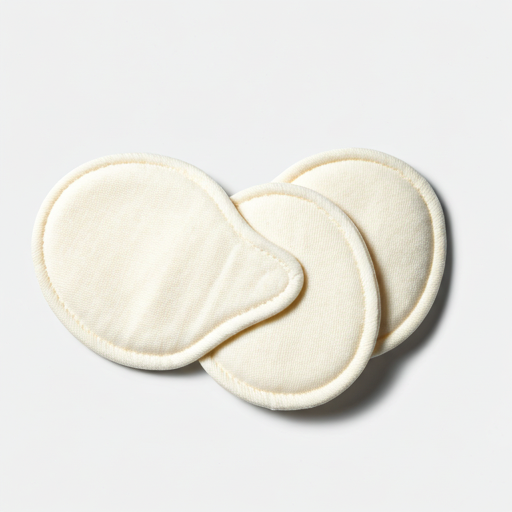
By investing in sustainable menstrual health solutions such as reusable sanitary pads, we are not only addressing urgent health and inclusion concerns and reducing the economic and health burdens caused by other products, but we are also opening new paths for women’s economic empowerment.
These products are cost-effective, environmentally friendly, and can be locally produced, creating decent work opportunities, giving women agency in decision-making and production, and reinforcing awareness and environmental responsibility.

Empowered Futures

Return and Commitment

Hilalah

From Experience to Change

Hilalah grew out of firsthand field experience

Hilalah grew out of firsthand field experience, built upon in-depth interviews and discussions with women from cities, villages, camps, and schools, all Syrian women who lived and understood the details of these realities, along with medical consultations and expert input.
After the 2023 earthquake, we began distributing menstrual products and underwear in affected and overcrowded areas, where women and girls spent long days without access to water or privacy.
Gradually, this modest humanitarian action evolved into a sustainable local production initiative that bridges health, work, and awareness, aiming to integrate menstrual products into essential humanitarian responses, and to ensure their permanent availability in workplaces and schools where women and girls spend long hours.
Today, Hilalah is no longer just a project; it is a women-led environmental movement that listens to women and works with them, sharing knowledge and experience, transforming their voices into tangible initiatives that demonstrate their capability to choose, produce, and influence.
It is a space that restores to women and girls their natural role as creators of life, not recipients of aid; as leaders of recovery, not mere beneficiaries of it; as active actors, not victims.

Our Products

Featured Products

Eco-Friendly Sanitary Pads

Healthy. Safe. Sustainable.

Hot Water Bags

Warmth and comfort in difficult days.

School Emergency Kits

Preparedness. Respect for girls’ needs.

Knowledge Hub

Blog & Article

Inactive